
Airway Orthodontics

At BVO, we understand the importance of correcting your open bite. Treatment improves chewing function and speech clarity by allowing the front teeth to properly contact and cut food, while also preventing excessive wear on the back teeth. Treatment can also enhance facial esthetics by reducing the elongated facial appearance and minimizing gummy smiles. Our goal is always to provide a more beautiful display of your front teeth.
Expansion and MARA appliance opened airway from 10 to 19 cc!
Before
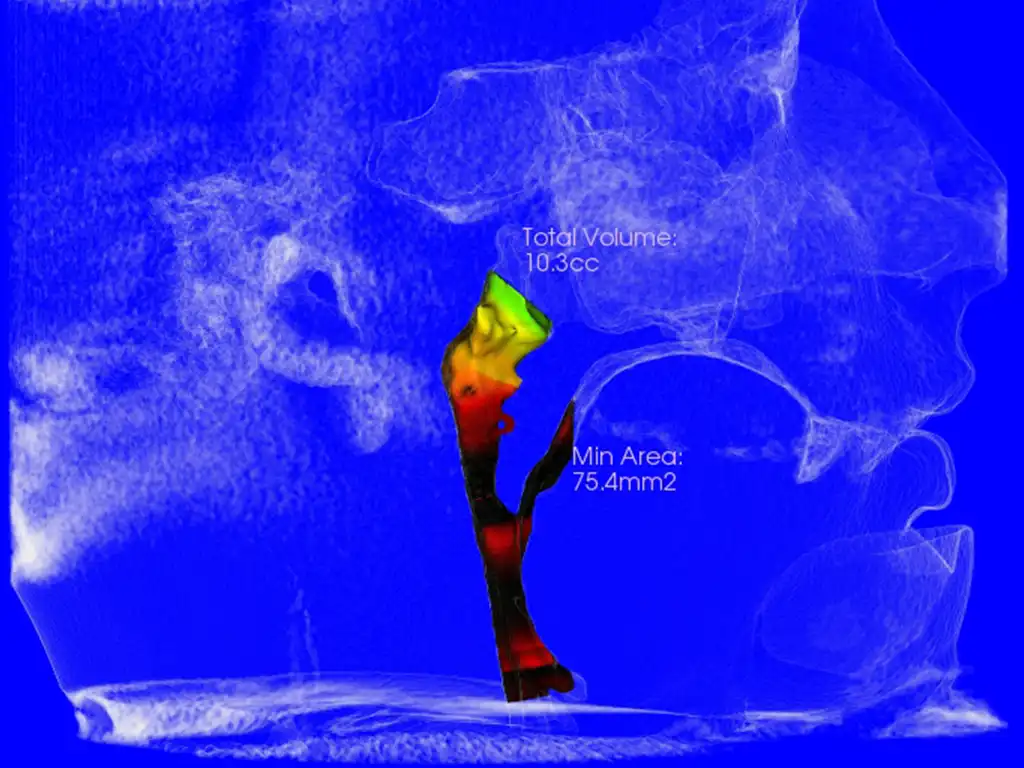
After
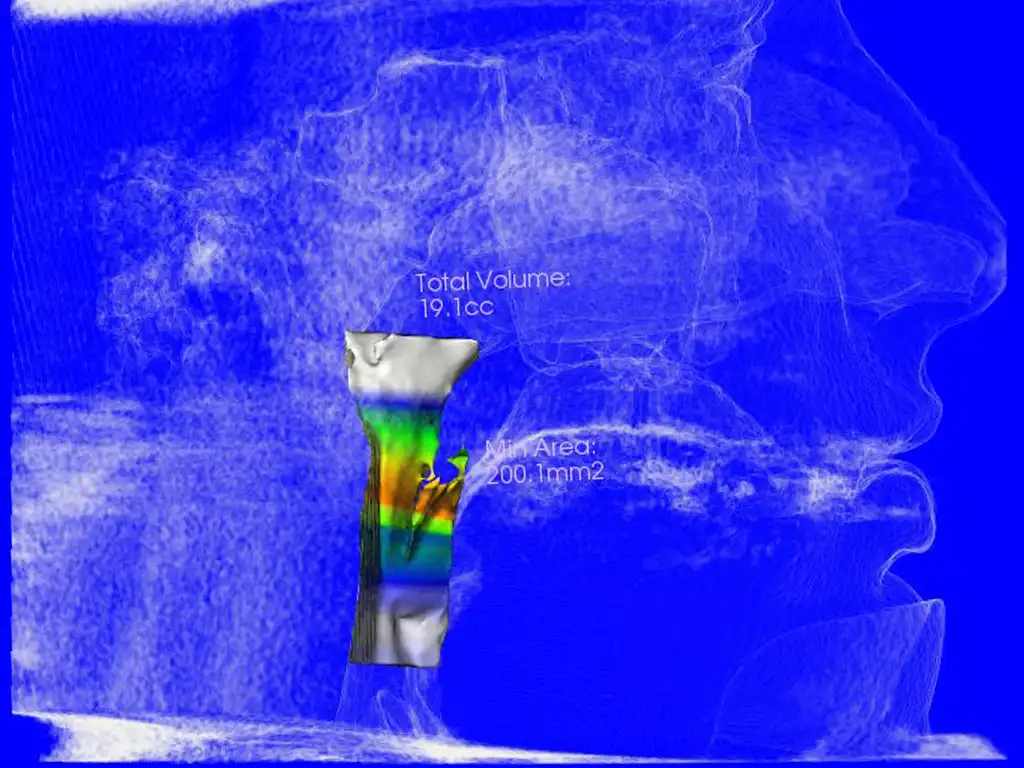
Expansion and lower jaw andvancement opened his airway from 11 to 3o CC.
Before


After


This patient was treated without extractions!
Could orthodontics improve airway problems and breathing?
Orthodontic treatment can improve breathing by expanding narrow upper jaws with palatal expanders, creating more space for the tongue to rest properly on the roof of the mouth rather than falling back and blocking the airway, while also opening up nasal passages for better nasal breathing.
Moving the lower jaw forward through orthodontic appliances or correcting a retruded jaw position increases the space behind the tongue and opens the airway, which can reduce snoring and symptoms of sleep apnea, especially when combined with proper tooth alignment that supports healthy jaw posture.
By addressing structural issues like narrow arches, crossbites, or deep bites that compress the airway space, orthodontic treatment not only straightens teeth but has the potential to lay the foundation to transform sleep quality, reduce mouth breathing, eliminate morning headaches, and improve overall oxygen intake that affects energy levels, focus, and long-term health.
What treatments could orthodontics improve airway problems and sleep breathing disorders?
The MOST impactful time could be in the developing dentition in young children 7-8 years old. Orthodontic treatment can significantly improve airway problems by expanding narrow jaws and repositioning them to create more space for proper breathing – palatal expansion widens the upper jaw and nasal floor, improving nasal breathing capacity, while mandibular advancement brings the lower jaw forward, pulling the tongue away from the throat and opening the airway.
The most effective treatments include rapid maxillary expansion (RME) in children which can reduce sleep apnea symptoms by up to 70%, mandibular advancement devices or functional appliances that hold the jaw forward, and comprehensive orthodontic treatment that corrects deep bites, narrow arches, and retruded jaw positions that compress breathing spaces. Studies show that combining orthodontic expansion with myofunctional therapy (exercises to improve tongue posture and strengthen airway muscles) provides the best long-term results, especially when treatment begins during childhood growth phases.
With adults, some could benefit from orthodontic alignment alone where the dental arches are expanded. If more expansion is needed, a MARPE (mini-implant assisted rapid palatal expansion) appliance or surgical expansion combined with jaw advancement procedures could significantly improve breathing.